How much is a day’s work worth?
When the client’s needs become clear over time, the daily rate is the most appropriate solution. But how do you determine it?
When the client’s needs become clear over time, the daily rate is the most appropriate solution. But how do you determine it?
A call for pragmatism in software development: avoid dogma, observe what works, and leave room for doubt.
To bring about lasting change, it’s better to persuade than to order. However, this change takes time and requires self-directed individuals.
Even though every engagement is unique, it’s still possible to identify types, starting with the “firefighter” engagement: “Fire! Help!”
While a consultant provides specific answers, a coach helps their client find their own answers. These are different yet complementary approaches.
There is always a risk of doing harm while trying to do good. A coach, like other helping professionals, should be supervised.
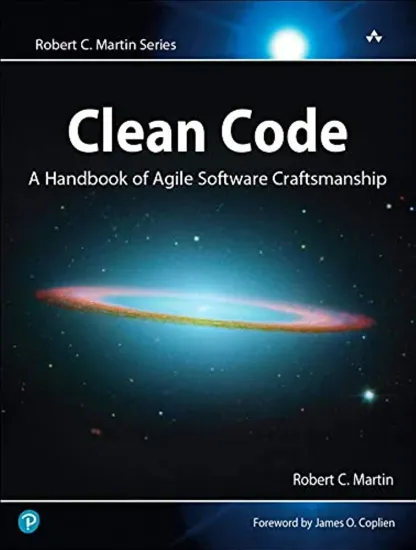
“Clean Code” is a reference book: reading it cover to cover would make little sense. You need to read it, experiment, and come back to it often.
Working on software quality means working on architectures, paradigms, and methodologies, particularly clean code. The programming language doesn’t matter.
Whatever your exact role (Lead Dev, Tech Lead, VP of Engineering, CTO…), be demanding but know how to be considerate of your team.
Reinvent your development tools: Jest, Redux, React, or even TypeScript. This exercise will take your skills to the next level.
Beyond the cost, bringing in a full-time coach can prove counterproductive, as your teams need time to process the changes.
Now, let’s hear from one of my clients, Ovrsea. Antoine, the CTO, explains how the idea to bring in coaching for his teams came about and what it has changed.
Trying to support a company or an individual who doesn’t want to change is counterproductive. It’s better to rely on the corporate culture.
Mistakes as a teaching principle: they’re necessary for a deep understanding of problems, and they give meaning to best practices.
Training is, at best, a spark. Without ongoing support, putting what you’ve learned into practice is often difficult.
When the organization is dysfunctional, you call in an Agile coach. When the codebase stops evolving, you call in a code doctor: a technical coach.