Lean Culture
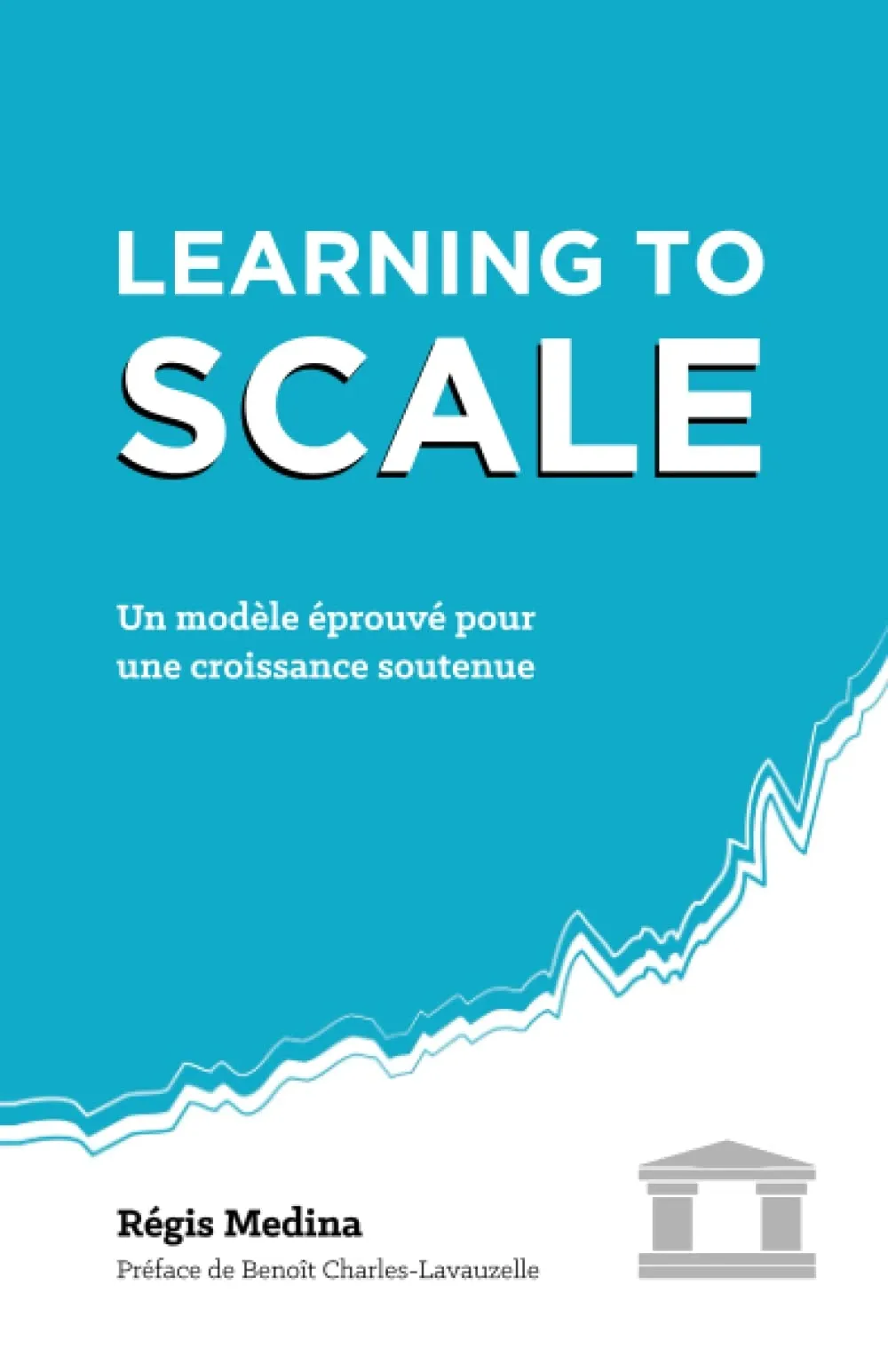
Recently, on the first day of an assignment, a client handed me a copy of Learning to Scale, Regis Medina’s book. The company has been implementing a lean approach for several years, spearheaded by its CEO. At the time, I wondered how my work would fit in with this approach and the coach already in place: complementary? competitive? independent?
Because lean remained a bit of a mystery to me. We hear about it a lot in our industry, but it isn’t as mainstream as agility. That’s probably for the best, given the direction agility has taken 🥲
To be honest, I’ve read up on the subject. I’ve read Taiichi Ōno’s book, and I’ve read about the origins of Lean at Toyota. I understood what I was reading and could even find ways to apply it to my day-to-day work; I could tell it must be important, and yet I had this persistent feeling that I was missing the point. In particular, I saw Lean as a collection of well-founded practices, but I couldn’t make the connections between them or see the “big picture.”
Until I read this sentence:
[Lean] isn’t a production system—it’s a learning system.
It’s paradoxical when you consider that lean comes from the “Toyota Production System.” But the paradox is easily resolved: while the ultimate goal remains production (of cars, software…), the approach is to treat learning as an end in itself. In other words, think about improving production before thinking about production itself.
That sentence was an epiphany—my little “aha moment.” I remember putting the book down for a moment and gazing into the distance, filled with the feeling that I’d finally found my approach.
This sentence really sheds light on my experience as a software quality consultant: as a consultant, I help my clients find answers and share my expertise with them. But even though I support them, the implementation is ultimately up to them. Sometimes it happens on its own, while other times I have to carry them at arm’s length, at the risk of burning myself out.
Or, to put it more bluntly: sometimes, nothing happens, even though I’ve put a lot of effort into helping my client, even though my ideas are well-received by developers and middle managers.
The difference?
The front lines. The company culture, the desire to learn, the autonomy of individuals in finding solutions that benefit their users, their customers, and, ultimately, their company. Managers who are attentive to what’s emerging. While we’ve long known that teams’ desire for support makes all the difference, Lean tells us that this difference must be cultivated.
This sentence from the book Learning to Scale was what I needed to start understanding what Lean is. It proves that, even though the foundational texts are essential, the choice of different words and the perspectives offered by other people are just as important and have their own place.